True Transit Timelines Using Coast-to-Coast Cross Country Movers
Pacific Crating And Shipping LLC • October 14, 2026
Transporting an entire household across the nation involves intricate planning and highly coordinated logistics. When families relocate from San Francisco to the eastern seaboard, they often underestimate the sheer scale of the journey. Pacific Crating And Shipping LLC provides the exact routing and heavy transport expertise required to protect your belongings over thousands of miles. Relying on professional cross country movers guarantees that your valuable assets arrive safely without enduring unnecessary delays on the open highway.
Managing a transcontinental move requires a deep understanding of federal transportation laws and commercial driving limits. Many property owners assume that moving trucks travel at the exact same pace as passenger vehicles. We want to provide an honest look at the logistical factors that dictate actual transit timelines. Setting realistic expectations ensures you arrive at your new destination fully prepared to receive your shipment.
Inside This Article
- The Reality of Long Distance Transit Schedules
- Overestimating Direct Route Driving Speeds
- Frequently Asked Questions
- Finalizing Your Coast to Coast Transition
The Reality of Long Distance Transit Schedules
Moving thousands of pounds of furniture across multiple state lines is a methodical process governed by strict commercial safety regulations. Commercial drivers are legally required to adhere to federal hours of service limits, which restrict the total amount of daily driving time to prevent dangerous fatigue. This means a fully loaded truck simply cannot drive straight through the night to reach an early delivery window.
→ From a professional standpoint: Booking your transport well in advance allows logistics coordinators to map out the most efficient route and secure the necessary permits for specialized custom crating cargo.
Overestimating Direct Route Driving Speeds
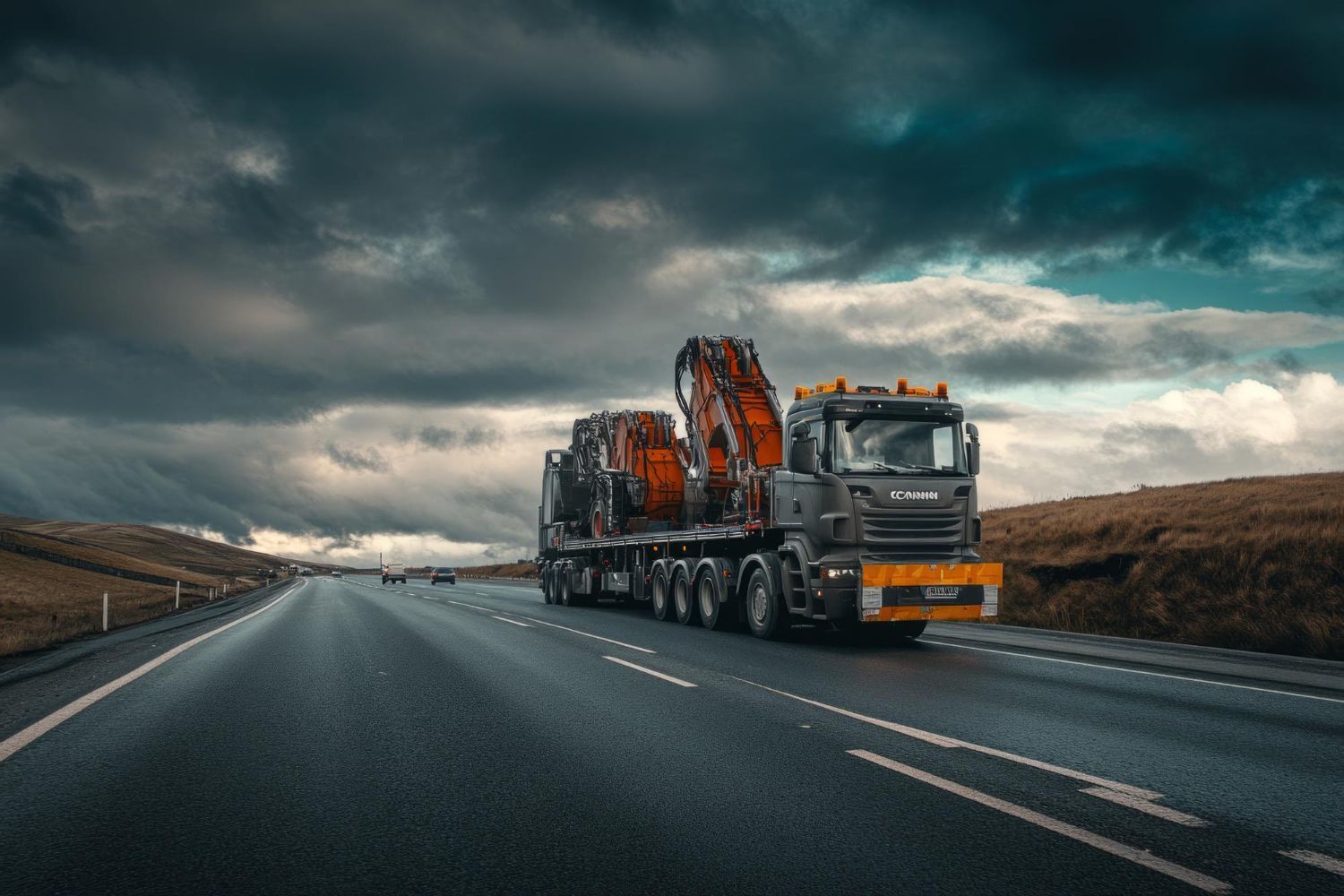
A common overestimation is assuming that a massive commercial moving truck will arrive at the destination in the same amount of time it takes to drive a family sedan. In reality, heavy transport vehicles accelerate much slower, require wider turning radiuses, and must frequently pull into mandatory commercial weigh stations. These necessary safety protocols add hours to the overall transit time. Expecting passenger vehicle speeds from a loaded freight truck leads to intense frustration on delivery day.
→ A quick tip to remember: Keeping a small suitcase of personal essentials and important documents with you during your personal travel prevents panic if the moving truck encounters heavy traffic.
Clear communication is essential when coordinating logistics across multiple states. This is a pattern the team at Pacific Crating And Shipping LLC hears regularly from clients tracking their shipments.
►Client Experience: Irene Gustafson shared "Moving some furniture across the country. The pickup arrived on time and the movers were friendly and super communicative. So far, so good. Thanks"
Providing punctual pickups and transparent updates is exactly why Irene Gustafson trusts our long distance crews.
Frequently Asked Questions
How does weight station compliance affect cross country transit speeds?
Federal law requires all commercial moving trucks to pull into designated weigh stations to verify that the vehicle is not overloaded. If a truck exceeds the legal axle weight limits, the driver is forced to remain parked until another vehicle arrives to offload the excess cargo. Working with experienced professionals ensures your load is perfectly balanced before departure to avoid these severe roadside delays.
Can extreme weather patterns alter guaranteed delivery dates on long routes?
Yes, massive storm systems and severe crosswinds force commercial drivers to reduce speeds significantly or pull off the highway entirely to maintain safety. Ice storms and heavy rain can make mountain passes impassable for large trailers. Reputable transport companies constantly monitor weather patterns and will adjust transit timelines to protect your household goods from dangerous driving conditions.
Finalizing Your Coast to Coast Transition
Safeguarding your household goods across the country demands strict adherence to commercial driving laws and realistic timeline expectations. By understanding the physical limitations of heavy freight transport, you can plan your personal travel itinerary with total confidence. Contact our national dispatch team today to discuss your upcoming long distance move and secure a reliable transport schedule.
Share This Blog