The Honest Reality of Calibration After Lab Equipment Transportation
Pacific Crating And Shipping LLC • August 25, 2026
Relocating a clinical research facility requires an intense focus on preserving the precise accuracy of highly sensitive diagnostic machines. When biotechnology firms in Palo Alto transition to new laboratories, they often expect their expensive microscopes and centrifuges to function perfectly the moment they are unboxed. At Pacific Crating And Shipping LLC, we provide the specialized lab equipment transportation necessary to protect these delicate investments. Setting realistic expectations regarding machine recalibration is the only way to prevent corrupted data and ruined research samples.
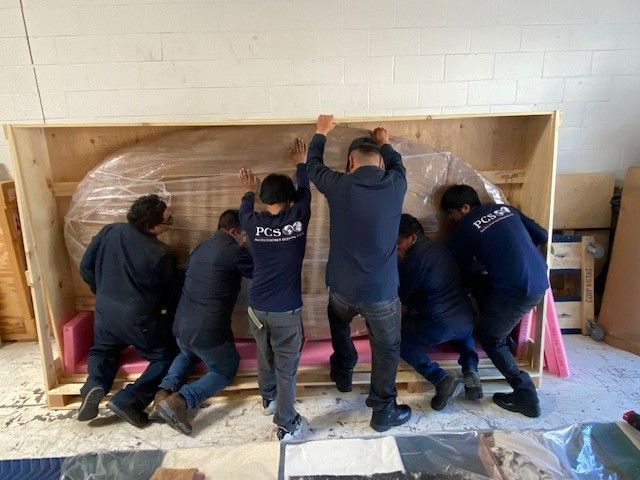
Many laboratory managers assume that thick bubble wrap completely isolates medical equipment from the physical realities of highway transit. The truth is that even the most carefully packed spectrometers experience micro vibrations and atmospheric changes during a long drive. We want to provide an honest look at what actually happens to sensitive optics and internal sensors on the road. Exploring these physical realities ensures your team schedules the proper technical support before resuming daily operations.
Inside The Transit Process
- The Illusion of Immediate Operational Readiness
- Atmospheric Acclimation and Internal Condensation
- How long should laboratory centrifuges rest before powering on after transit?
- The Impact of Micro Vibrations on Optical Sensors
- Finalizing Your Laboratory Setup
The Illusion of Immediate Operational Readiness
A common overestimation made by research directors is assuming that a specialized moving crew handles the technical startup sequence of medical machines. Professional logistics teams guarantee the physical safety of the hardware, but only certified manufacturer technicians can verify the software and mechanical baseline. Powering up a mass spectrometer immediately after delivery without running a baseline calibration test often results in skewed diagnostic readings that ruin entire batches of expensive chemical reagents.
→ From a professional standpoint: Booking an original equipment manufacturer technician to arrive the day after delivery is absolutely critical for validating the precision of your newly placed laboratory assets.
Atmospheric Acclimation and Internal Condensation
Even when utilizing climate controlled transport vehicles, moving sensitive electronics between different buildings introduces slight temperature shifts. If a cold piece of machinery is rolled into a warm, highly humid laboratory environment, microscopic condensation instantly forms on the internal circuit boards. Powering the machine on while this moisture is present will short out the motherboard and permanently destroy the device. Allowing the equipment to acclimate to the ambient room temperature for twenty four hours prevents this hidden electrical hazard.
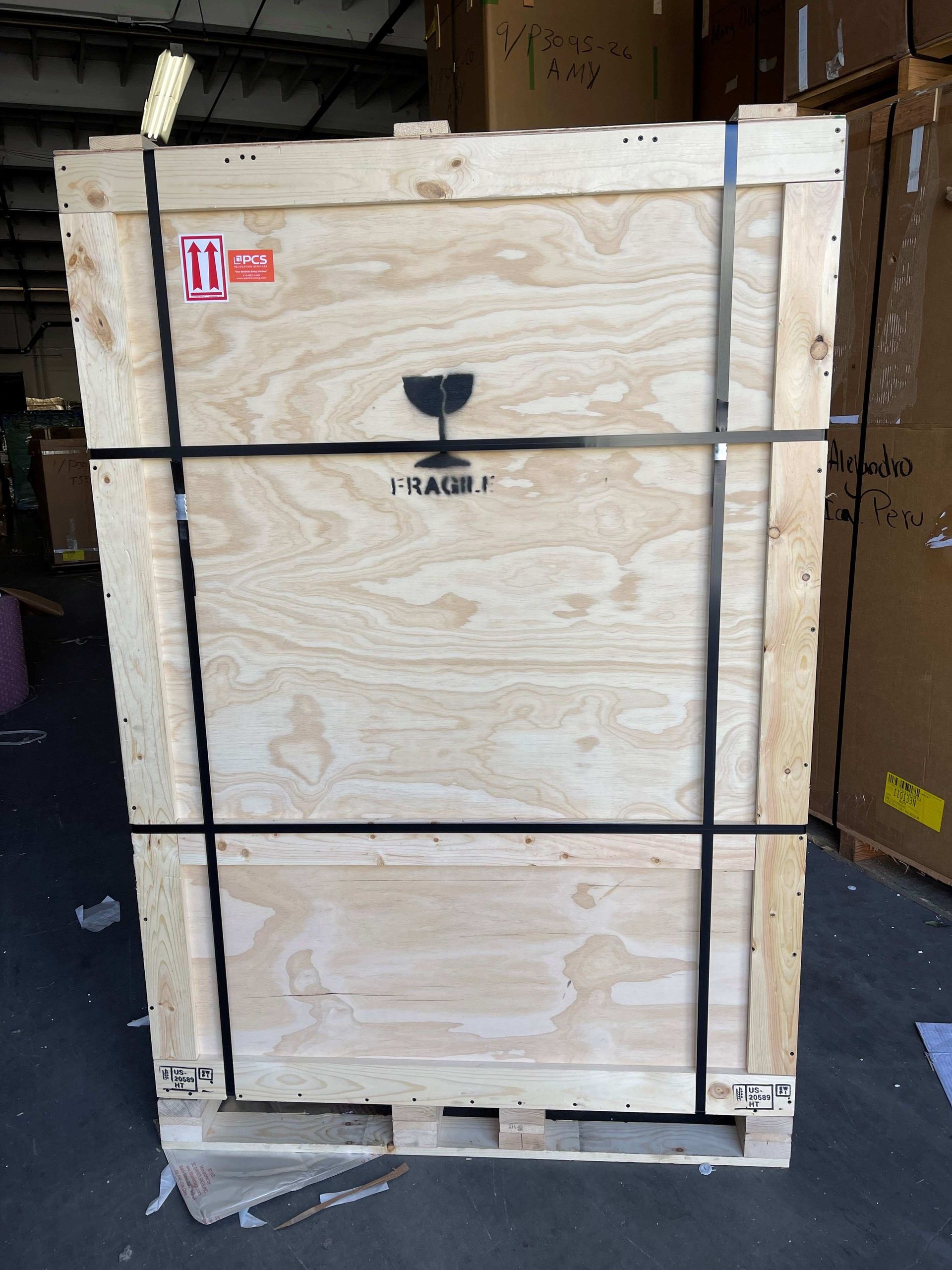
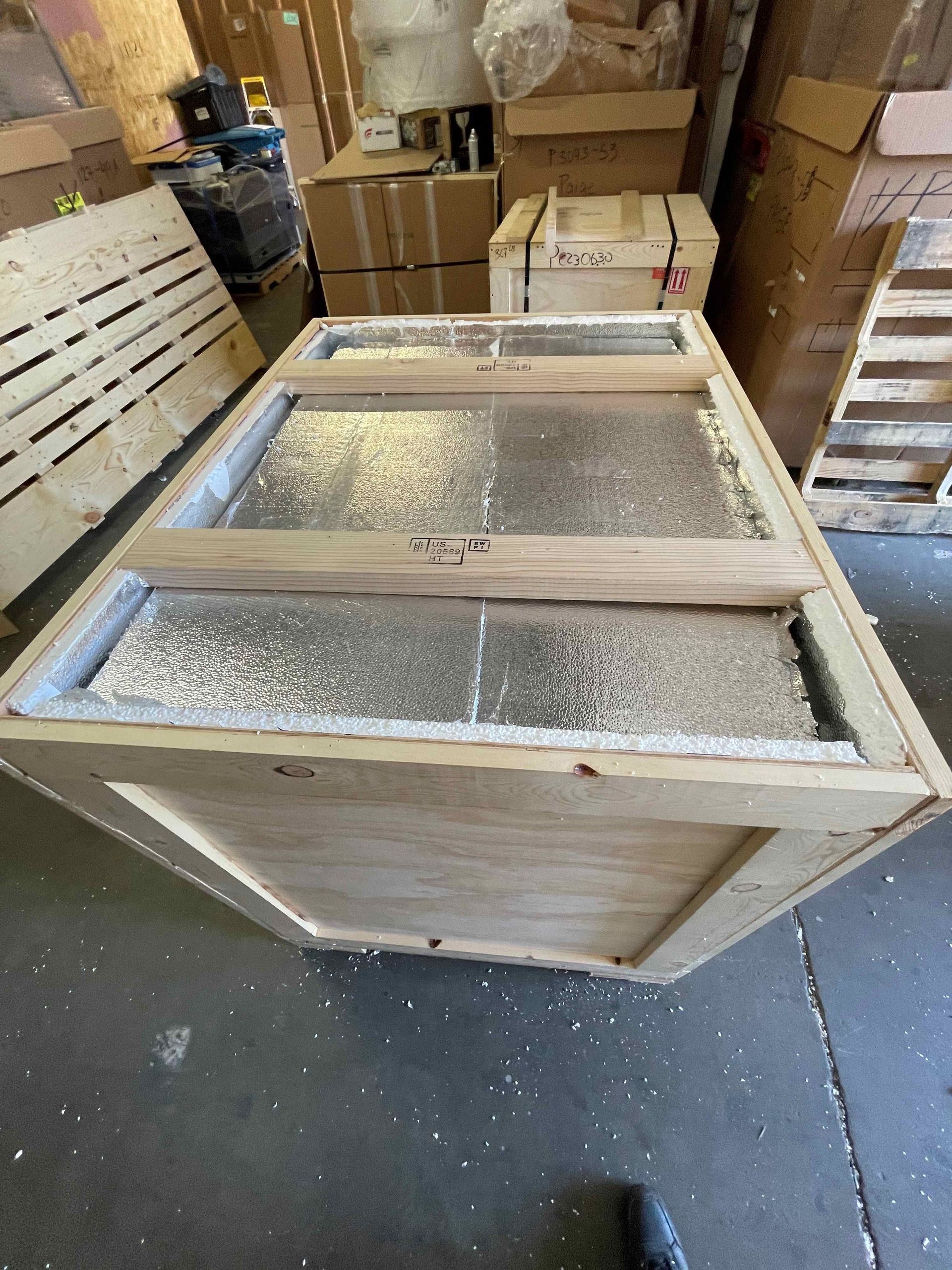
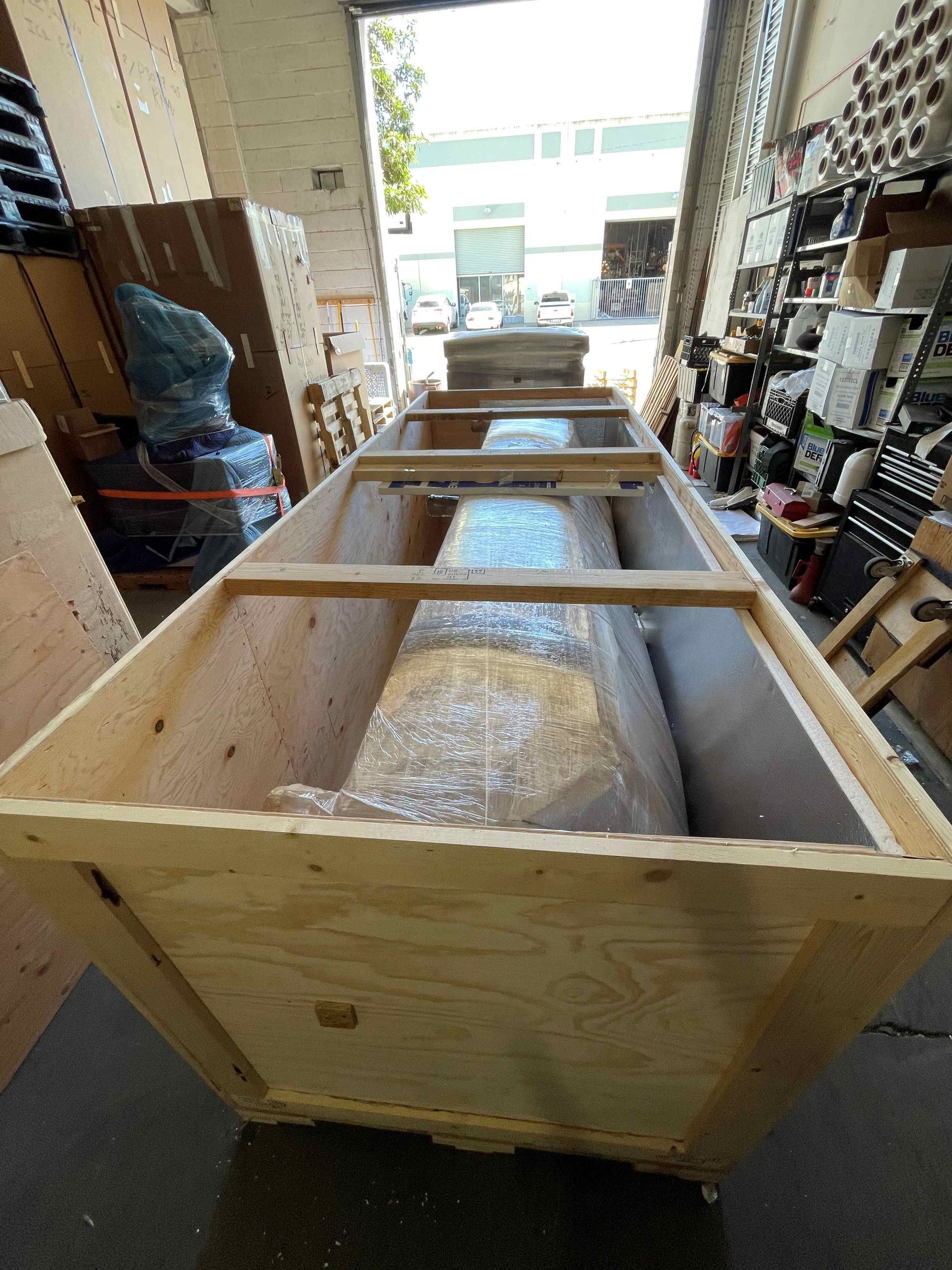
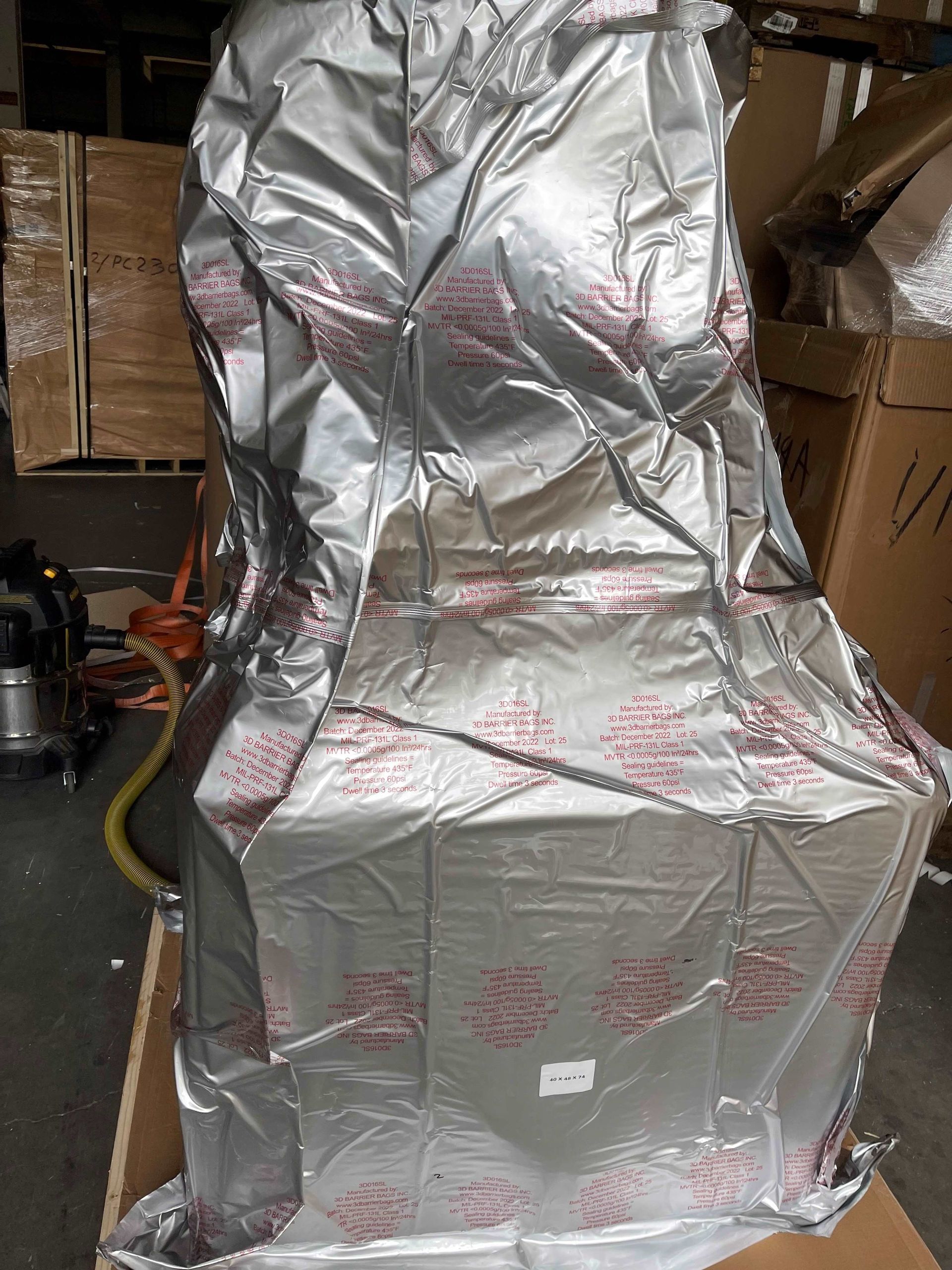
→ A quick tip to remember: Utilizing our custom crating service with specialized vapor barrier bags ensures that extreme external humidity never reaches the sensitive interior components during the truck ride.
Managing delicate transitions requires a team that communicates clearly and respects the high value of your assets. This is something clients notice firsthand when we manage their fragile deliveries.
►Client Experience: Ken Lawler shared “The delivery team was great. They were on time, very professional, and got the job done quickly. Thanks.”
Delivering prompt and highly professional support is exactly why Ken Lawler highly recommends our specialized transport crews.
How long should laboratory centrifuges rest before powering on after transit?
Laboratory centrifuges must rest in their final position for at least twenty four to forty eight hours before being powered on. This mandatory resting period allows the internal refrigeration compressors and lubricating oils to settle back into their proper reservoirs after being tilted during the moving process. Starting the high speed rotational motor too early can cause the internal bearings to seize, which leads to catastrophic mechanical failure and extreme repair costs.
The Impact of Micro Vibrations on Optical Sensors
Highway travel introduces constant low frequency vibrations into the cargo box of a moving truck. While anti static foam padding absorbs the major bumps, steady micro vibrations will eventually rattle the delicate alignment of internal optical lenses and laser arrays. Once the device reaches the new laboratory, a technician must physically open the chassis and realign the optical pathways using specialized diagnostic software. Failing to realign these sensors guarantees that your daily research data will be wildly inaccurate.
Finalizing Your Laboratory Setup
Protecting your scientific assets requires proper shock absorption during transit and extreme patience during the unboxing phase. By allowing machines to acclimate and scheduling certified calibration audits, you protect the integrity of your clinical research. Reach out to our specialized medical logistics team today to plan a highly secure transport strategy for your sensitive facility.
Share This Blog