7 Climate Control Strategies for Secure Fine Art Shipping Success
Pacific Crating And Shipping LLC • September 2, 2026
Moving valuable artwork requires intense attention to environmental stability. Collectors and gallery owners face constant risks when transporting sensitive canvases across varying climate zones. Pacific Crating And Shipping LLC provides specialized logistics that protect your most valuable investments from the moment they leave your wall. Utilizing strict climate control strategies during fine art shipping is the only way to prevent irreversible damage to oil paints and antique frames.
Organic materials react aggressively to sudden shifts in moisture and temperature. Failing to stabilize the internal environment of a shipping crate leads to cracking flaking and severe structural degradation. We have outlined seven expert strategies to help you understand the physics of art preservation during transit. Applying these clinical packing protocols guarantees your collection arrives in flawless condition in Beverly Hills or any other destination.
Inside This Guide:
- Tip 1: Custom Crating With Vapor Barriers
- Tip 2: Managing Temperature Fluctuations
- Tip 3: Proper Canvas Tension and Support
- Tip 4: Avoiding Wood Frame Warpage
- Tip 5: Regulating Humidity Levels
- Tip 6: Thermal Insulation Layers
- Tip 7: Real Time Climate Tracking
- Frequently Asked Questions
- Finalizing Your Fine Art Transportation Plan
Tip 1: Custom Crating With Vapor Barriers
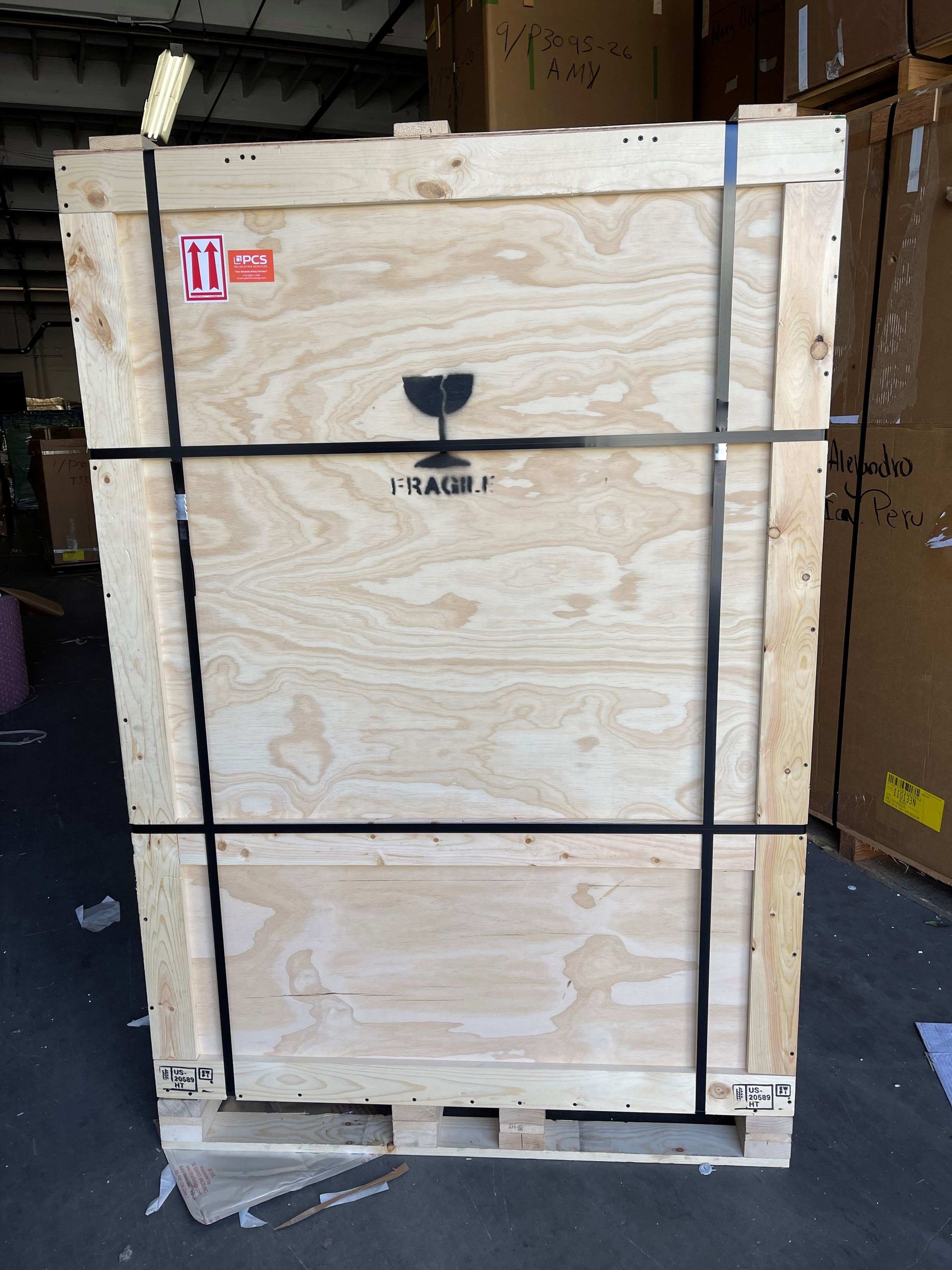
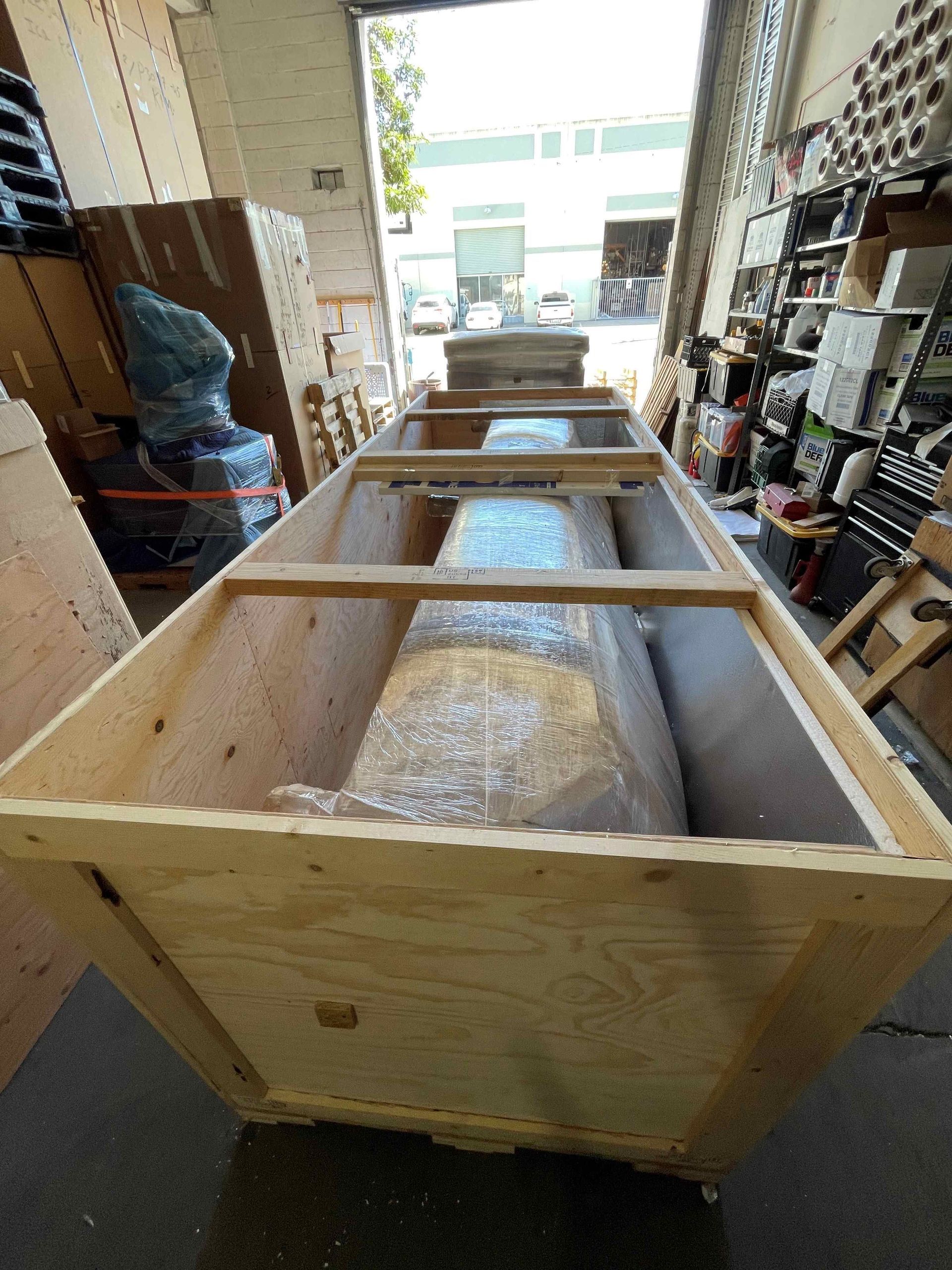
Unpredictable moisture levels easily penetrate standard cardboard packaging. Implementing a strict vapor barrier is the foundational step for preserving delicate materials.
- Sealed Environment: Technicians enclose the artwork inside specialized foil bags that block exterior moisture from reaching the canvas.
- Desiccant Packets: Industrial desiccants placed inside the sealed barrier actively absorb any trapped humidity before the crate is closed.
- Heat Treated Lumber: Building crates with stamped wood ensures the exterior shell resists dampness and biological threats.
Tip 2: Managing Temperature Fluctuations
Extreme heat or sudden cold snaps cause the chemical bonds in oil paint to expand and contract rapidly. Controlling the ambient temperature throughout the journey prevents the paint layer from fracturing.
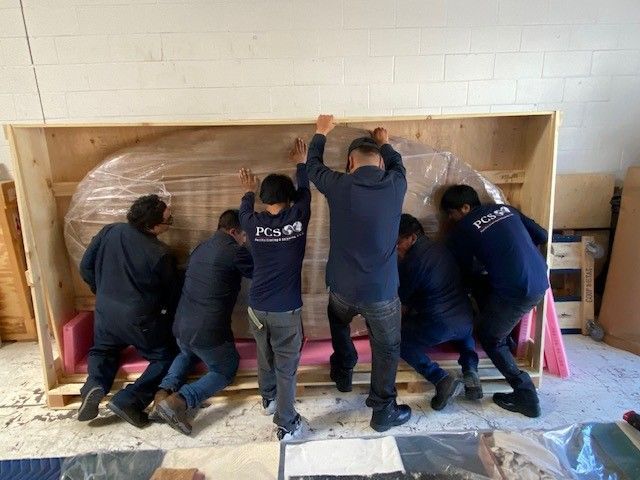
- Insulated Crate Walls: Lining the interior of the custom wooden crate with dense foam creates a thermal buffer against outside weather.
- Regulated Transport Vehicles: Utilizing climate controlled trucks maintains a steady baseline temperature from pickup to final delivery.
- Slow Acclimation: Allowing the sealed crate to rest in the new destination room for a full day prevents thermal shock upon opening.
Protecting irreplaceable items requires a team that understands the true value of careful handling. This is something clients notice firsthand when we manage sensitive transitions.
►Client Experience: Mary Looram shared "They took extra care with an antique item and with a Grandfather Clock. Was extremely satisfied with their work and would recommend the company."
Safeguarding historical artifacts with meticulous attention to detail is exactly why collectors trust our custom crating service.
Tip 3: Proper Canvas Tension and Support
The physical vibration of highway transport can loosen the tension of a stretched canvas. Specialized internal bracing ensures the fabric remains perfectly taut.
- Rigid Backing Boards: Securing a rigid archival board behind the canvas stops the fabric from vibrating like a drum during transit.
- Foam Corner Blocks: Custom cut foam corners suspend the frame within the crate so the actual canvas never touches a solid surface.
- Vertical Loading: Transporting paintings vertically aligns with their structural strength and prevents the canvas from sagging.
Tip 4: Avoiding Wood Frame Warpage
Antique wooden frames are highly susceptible to twisting when exposed to dry air or excessive moisture. Maintaining the structural integrity of the frame protects the artwork held inside.
- Acid Free Wrapping: Wrapping the ornate wooden edges in acid free paper protects delicate gold leafing from chemical reactions.
- Structural Bracing: Installing wooden cross braces inside the crate stops heavy ornate frames from flexing during loading and unloading.
Tip 5: Regulating Humidity Levels
High humidity causes organic canvas fibers to swell and stretch out of shape. When the air suddenly dries out the fabric shrinks violently while the hardened layers of oil paint remain stiff.
- Static Moisture Content: By employing strict climate control methods art handlers keep the moisture content completely static.
- Preservation Protocols: This preserves the delicate chemical structure of the paint and prevents heavy flaking.
Tip 6: Thermal Insulation Layers
Art pieces traveling across the country often pass through freezing mountains and scorching deserts within a single week. Additional thermal layers are required to fight these environmental extremes.
- Extruded Polystyrene: Using high density insulation boards inside the crate blocks external heat transfer effectively.
- Multi Layered Defense: Combining thermal foam with reflective foil creates an impenetrable shield against sudden weather changes.
Tip 7: Real Time Climate Tracking
Modern logistics rely on exact data to guarantee the safety of high value shipments. Monitoring the internal environment provides ultimate peace of mind.
- Digital Data Loggers: Advanced logistics teams place smart sensors directly inside the crate to track humidity and temperature in real time.
- Proactive Adjustments: This continuous data feed ensures the climate controlled trucks maintain a perfectly stable environment for the sensitive cargo.
Frequently Asked Questions
How does humidity affect oil paintings during transit?
High humidity causes the organic canvas fibers to absorb moisture and expand significantly. When the environment dries out the fabric shrinks rapidly but the rigid oil paint cannot move at the same rate. This opposing tension causes the paint to crack and separate from the canvas backing.
Will thermal shock destroy an antique picture frame?
Yes thermal shock occurs when a freezing cold item is suddenly brought into a warm room. The rapid temperature change causes the wood to expand unevenly resulting in warped edges and split joinery. Professional art handlers always allow crates to acclimate slowly to room temperature before opening them.
Finalizing Your Fine Art Transportation Plan
Safeguarding a rare collection demands clinical packing protocols and a strict rejection of generic moving supplies. By controlling the internal crate climate and utilizing proper suspension techniques you protect the historical and financial value of your artwork. Call our specialized logistics team today to arrange a secure transport plan for your valuable pieces.
Share This Blog