Secure Waterproof Custom Crating in CA & FL Before Heavy Rains
Pacific Crating And Shipping LLC • August 5, 2026
Coastal shipping routes expose valuable industrial goods to extreme humidity and sudden storms. When heavy seasonal rains hit port cities across California and Florida, unprotected freight absorbs ambient moisture almost instantly. At Pacific Crating And Shipping LLC, we recognize that waiting for the sky to darken before ordering proper packaging is a costly mistake. Securing waterproof custom crating early is the only proven method to block moisture and keep your industrial investments totally dry.
Wood and bare metal components require strict vapor barriers to prevent warping and deep rust during long transit times. Attempting to wrap machinery in basic plastic tarps traps condensation against the metal and accelerates corrosion. We have outlined a precise sequence of actions to help you secure your freight before the wet season disrupts your logistics. Moving quickly through these stages ensures your property remains protected against harsh coastal weather conditions.
What We Cover In This Article
- Stage 1: Assess Your Cargo Vulnerabilities
- Stage 2: Schedule Your Waterproof Custom Crating
- Stage 3: Protect the Loading Area
- Frequently Asked Questions
Stage 1: Assess Your Cargo Vulnerabilities
You must evaluate the physical condition and material makeup of your shipment before the first rain drops fall. Spotting moisture risks early gives you a vital head start on the packaging process.
- Bare Metal Inspection: Check all industrial machinery for exposed steel or iron components that will rust instantly when exposed to salty coastal humidity.
- Electronic Housing Review: Inspect server racks and control panels to confirm that water cannot pool in the top ventilation grates.
- Current Packaging Audit: Discard any standard cardboard boxes sitting under your equipment because wet corrugated paper will collapse under its own weight.
Stage 2: Schedule Your Waterproof Custom Crating
Getting your freight onto a fabrication calendar is critical before heavy rain triggers a massive rush of packaging requests. A licensed crating team can build an impenetrable barrier around your assets safely and efficiently.
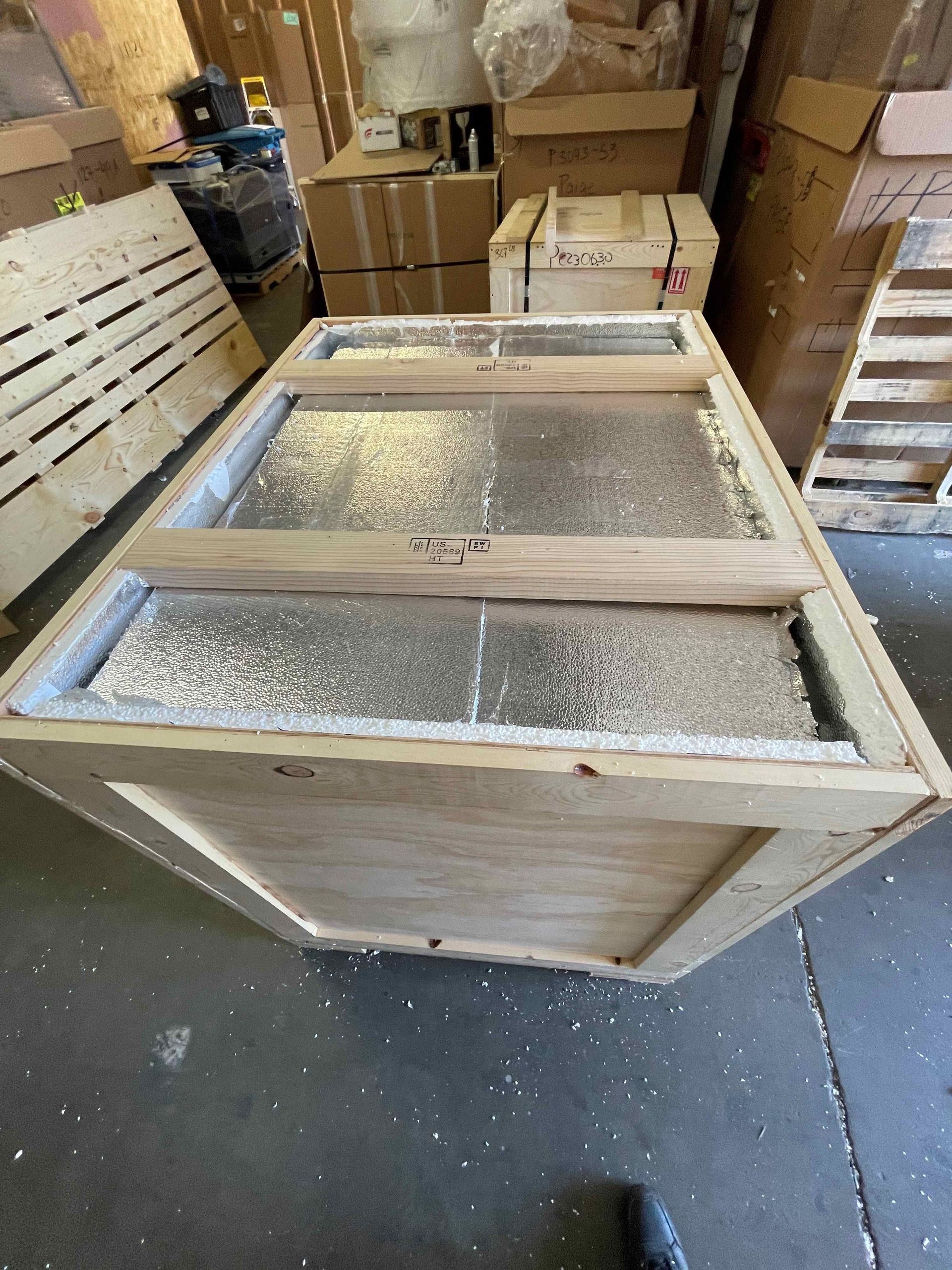
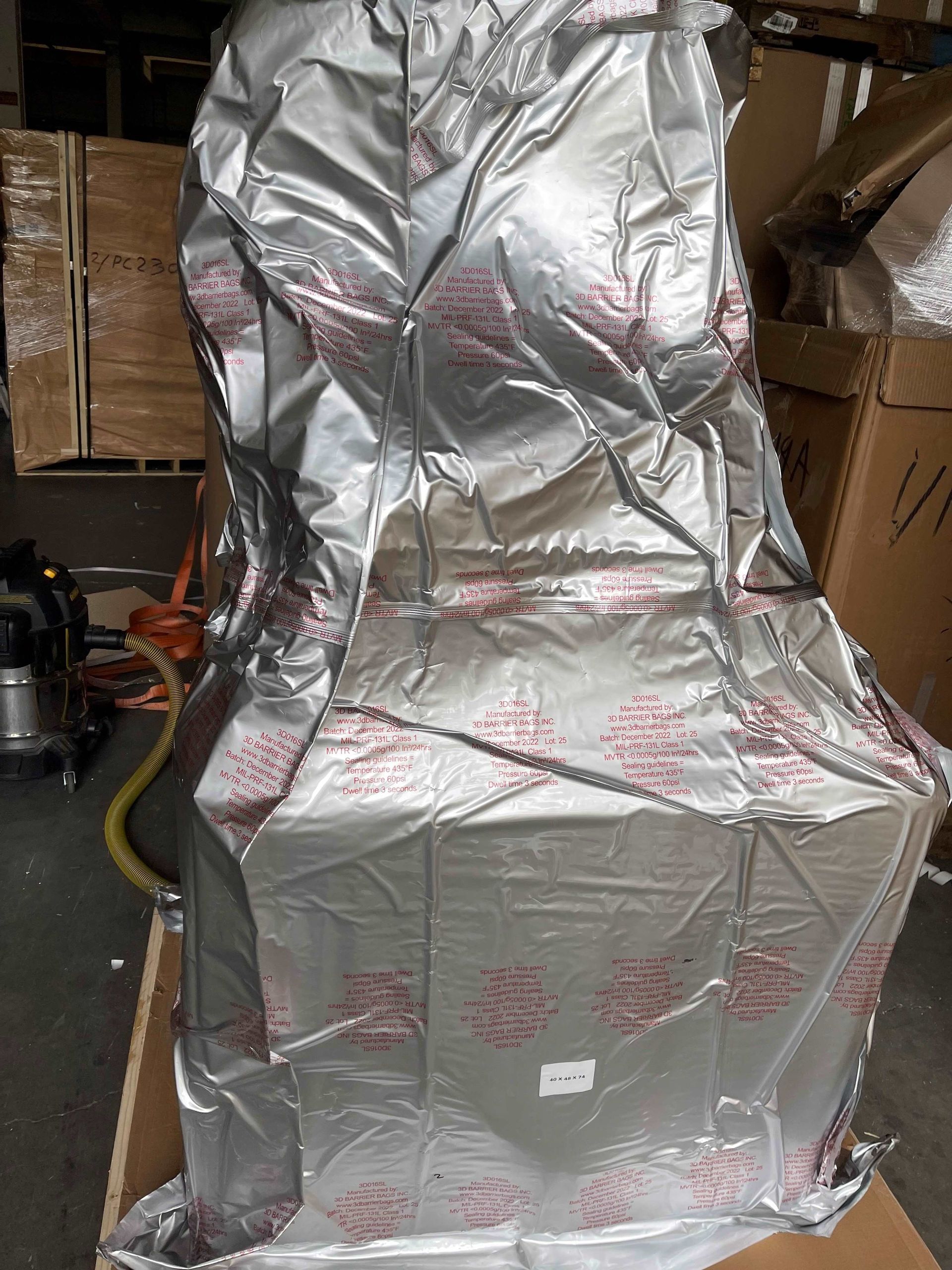
- Request Vapor Barriers: Ask your crating technician to install heavy duty foil barrier bags and internal desiccants to absorb trapped moisture.
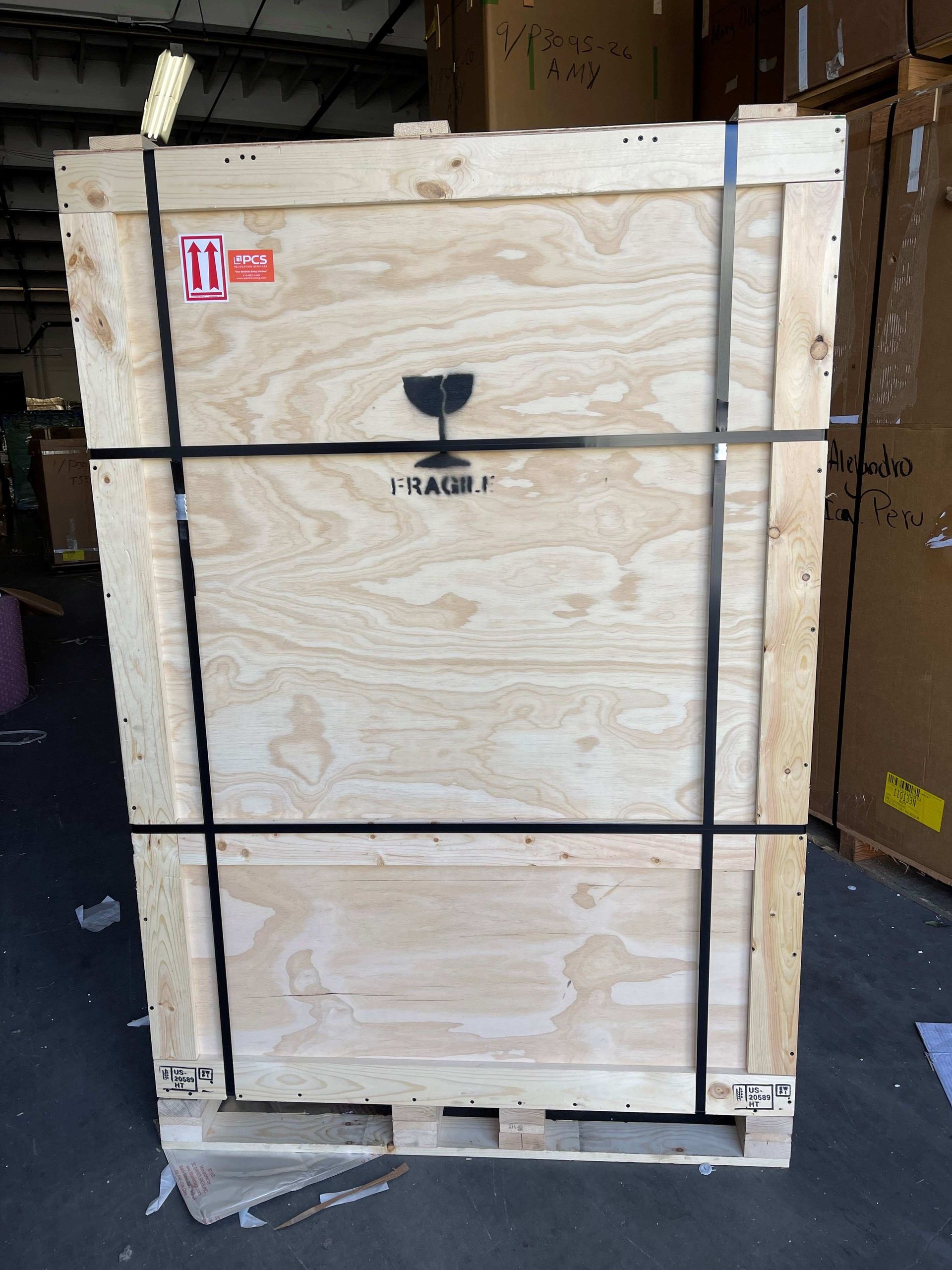
- Book Heat Treated Lumber: Specify that your crates must be built using specialized ISPM 15 stamped wood that resists rot and swelling in damp environments.
- Confirm Facility Pickups: Arrange for an immediate pickup window so your cargo does not sit outside on an unprotected driveway overnight.
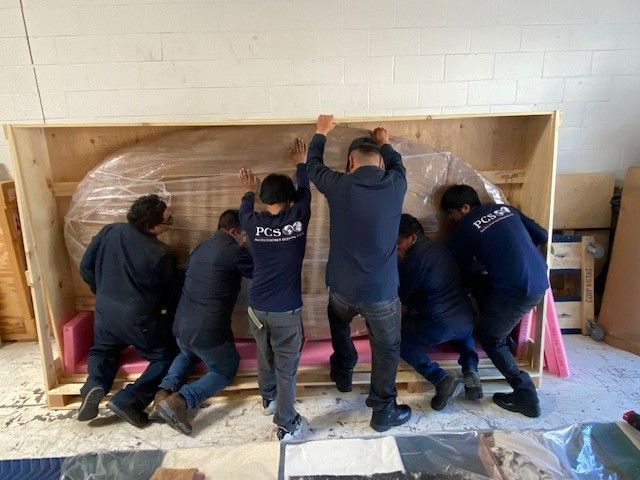
Handling high value pieces requires intense focus and a crew that knows exactly how to build secure protective structures. This is a pattern the team at Pacific Crating And Shipping LLC hears regularly from commercial clients.
►Client Experience: Phil Tomey shared “Spectacular service. Efficient, professional, thorough and worked clean. Can’t recommend them enough for crating high value pieces”
Delivering thorough and clean protection for valuable items is exactly why commercial managers trust our fabrication crew.
Stage 3: Protect the Loading Area
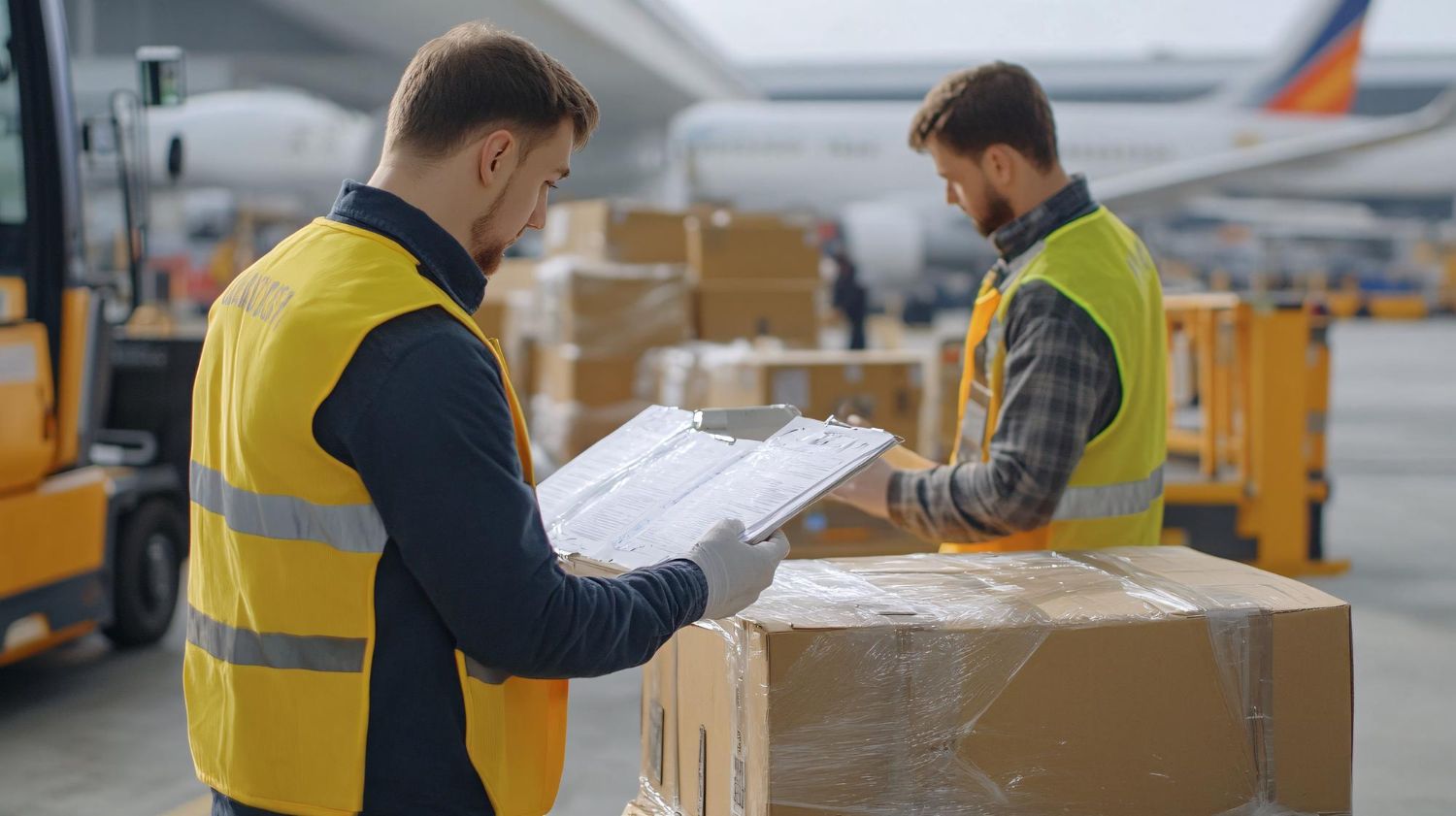
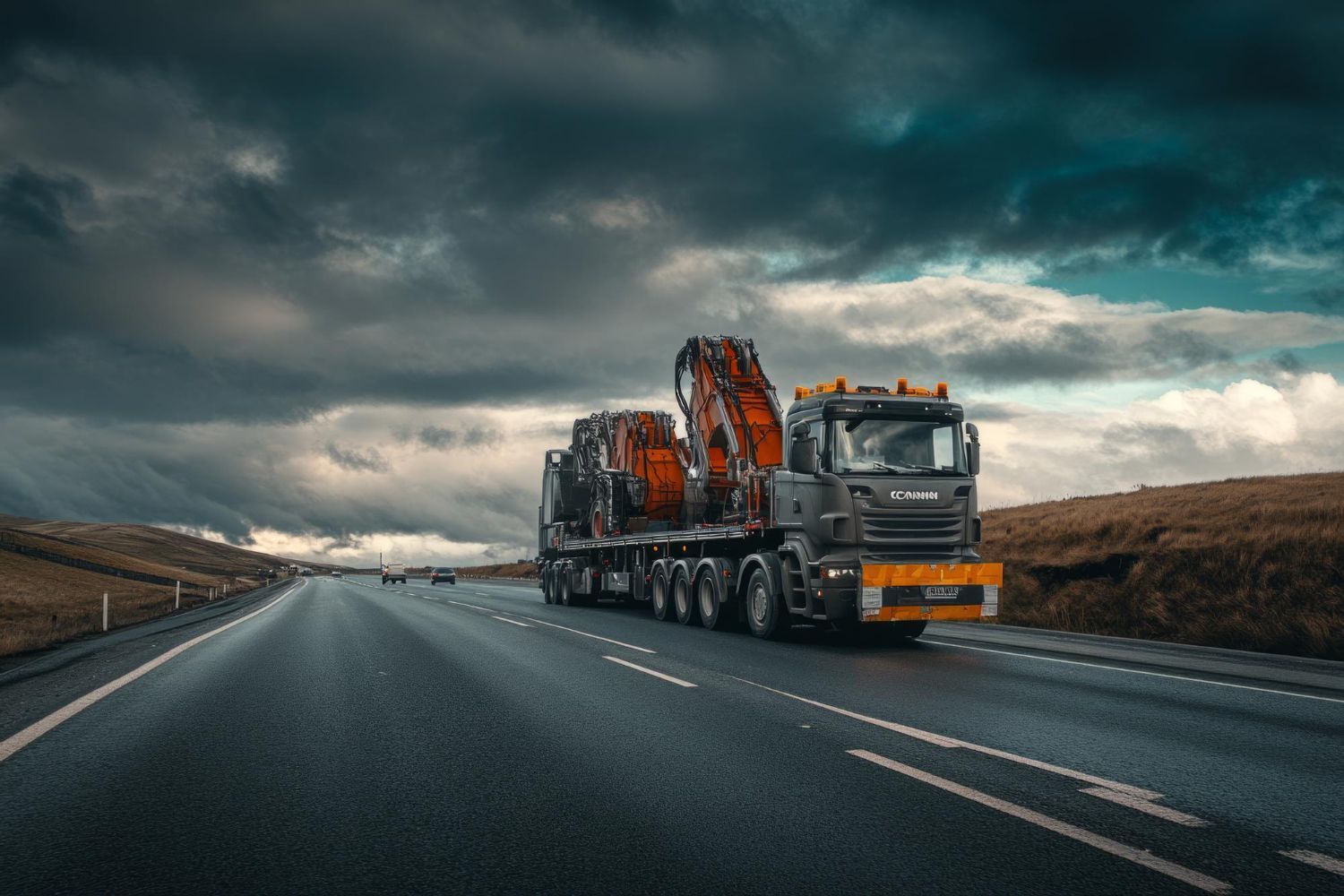
The final stage requires putting physical barriers between the rain and your shipment while the heavy machinery shipping truck is loaded. Proper staging methods work alongside the crate to provide total security.
- Clear Drainage Paths: Sweep away wet leaves and debris from your loading dock drains to prevent standing water from pooling around the forklift tires.
- Erect Temporary Canopies: Set up heavy industrial tarps over the loading bay doors to keep direct rain off the wooden crates during the loading process.
- Stage Indoors Early: Move all items into a dry interior warehouse space the day before transport so the equipment is completely dry when the crates are sealed.
► The single most important urgency fact is that sealing damp equipment inside a wooden crate will create a localized greenhouse effect that accelerates rust and destroys internal electronics within days.
Frequently Asked Questions
Can standard wooden crates withstand heavy outdoor rain?
Standard wooden shipping crates are built for structural support rather than absolute water resistance. Without a specialized foil vapor barrier and internal weather sealing, driving rain will eventually seep through the joints of the lumber and soak the cargo inside.
How do packers seal wooden shipping crates against moisture?
Professional packers enclose the cargo inside an airtight metallic foil bag before the wooden walls are assembled. They vacuum the air out of the bag and add industrial desiccant packets to absorb any remaining moisture. The external wooden seams are then coated with protective sealants to repel surface water.
Why is waterproofing necessary for ocean freight?
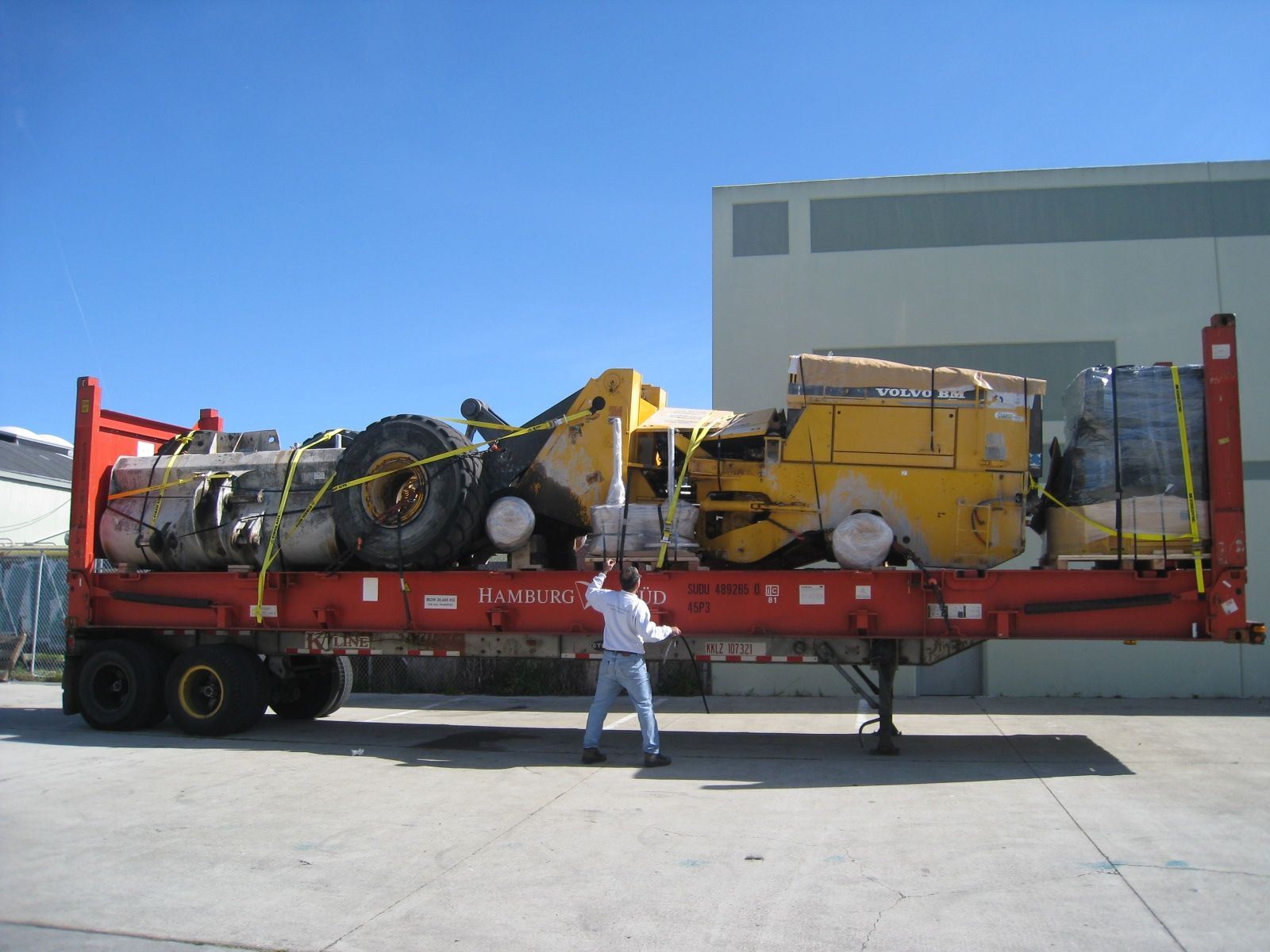
Ocean freight containers experience massive temperature swings as they cross different climate zones. These temperature drops cause condensation to form on the steel ceiling of the container. This phenomenon is known as cargo sweat and it will rain down directly onto your shipment for weeks at a time.
Securing Your Shipment Against the Storm
Shielding your commercial freight from severe weather requires making sure your exterior crates are fully sealed and equipped with internal moisture controls. By assessing your cargo and booking professional waterproof barriers now, you remove the risk of total inventory loss. Call our logistics team today to audit your shipping needs and face the stormy season with absolute confidence.
Share This Blog