How California Winters Impact Your Artwork: PCS’s Safe Art Shipping Tips
Pacific Crating And Shipping LLC • November 10, 2026
Transporting fine art across California during the winter months exposes sensitive materials to rapid temperature and humidity fluctuations. Pacific Crating and Shipping manages high-value gallery deliveries throughout the state, and we understand that driving from the mild coast over freezing mountain passes stresses delicate canvases. An abrupt drop in temperature causes the physical materials in a painting or sculpture to expand and contract at different rates.
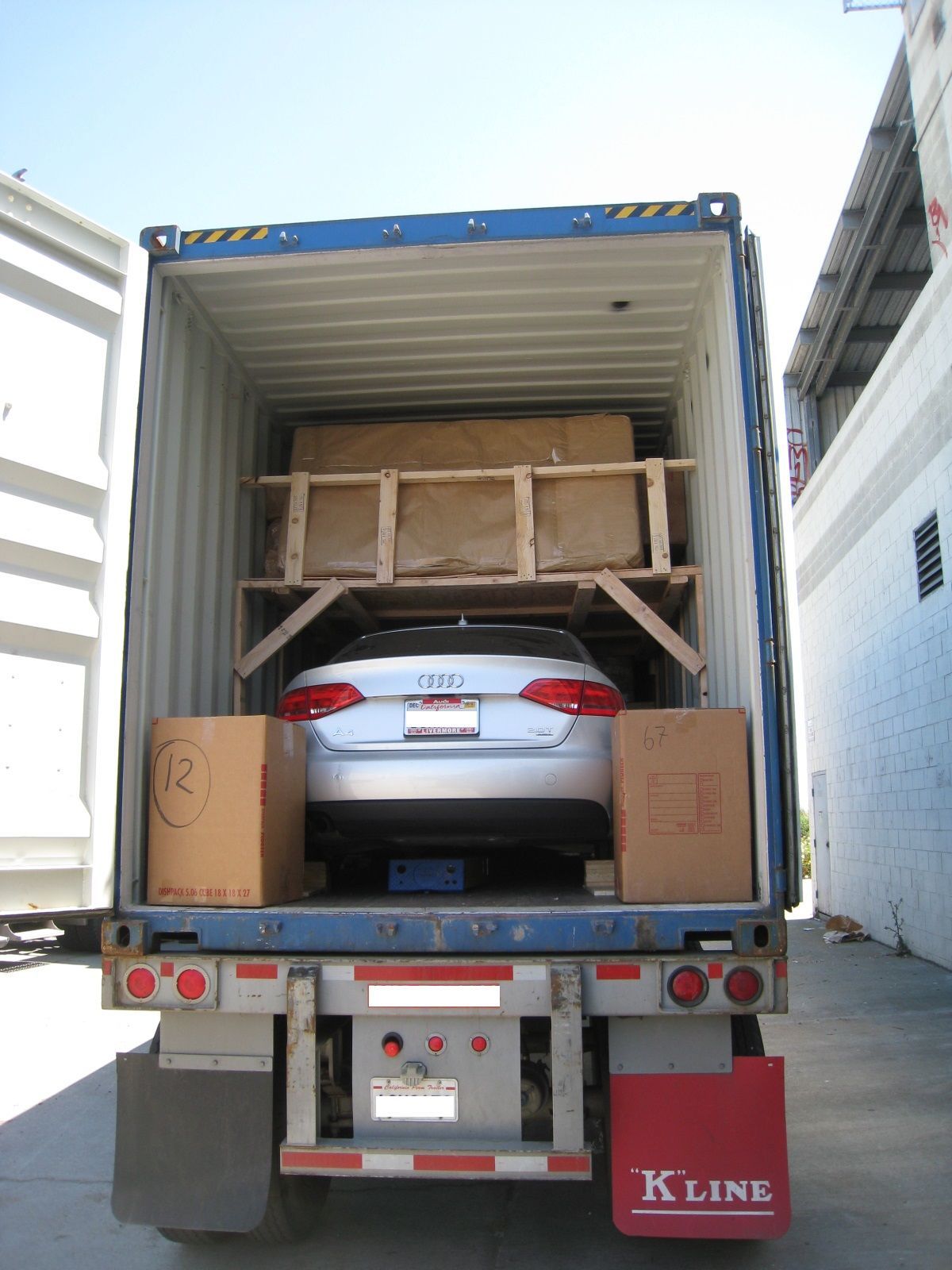
When a framed painting sits in the back of a standard uninsulated freight truck, the cold air aggressively pulls moisture out of the organic materials. This lack of humidity dries out wooden stretcher bars and makes oil paints incredibly brittle. Relying on climate-controlled art shipping ensures the cargo hold maintains a stable temperature and humidity level from the moment the piece leaves the gallery until it reaches its final destination.
Inside this breakdown:
- The physical reaction of canvas and oil paint to cold
- Moisture control and condensation risks
- The mechanics of climate-controlled transit
- Insulation techniques inside custom crates
The Physical Reaction of Canvas and Paint
Oil paintings are organic structures that breathe and move. A sharp drop in temperature causes the woven canvas to shrink tightly around its wooden frame. At the exact same time, the layers of dried oil paint become stiff and inflexible. Many collectors wonder if cold weather damages canvas paintings during shipping. When the canvas pulls tight and the paint cannot flex, the paint layer forms micro-cracks known as craquelure. Once the paint cracks, the physical value of the piece drops significantly.
Moisture Control and Condensation Risks
Moving art from a cold truck into a warm California living room creates an immediate condensation problem. Moisture from the warm indoor air instantly collects on the cold surface of the painting. If this moisture seeps into the canvas fibers, it creates the perfect breeding ground for mold and mildew. Properly managing the transition between extreme environments is a core component of our art shipping operations.
The Mechanics of Climate-Controlled Transit
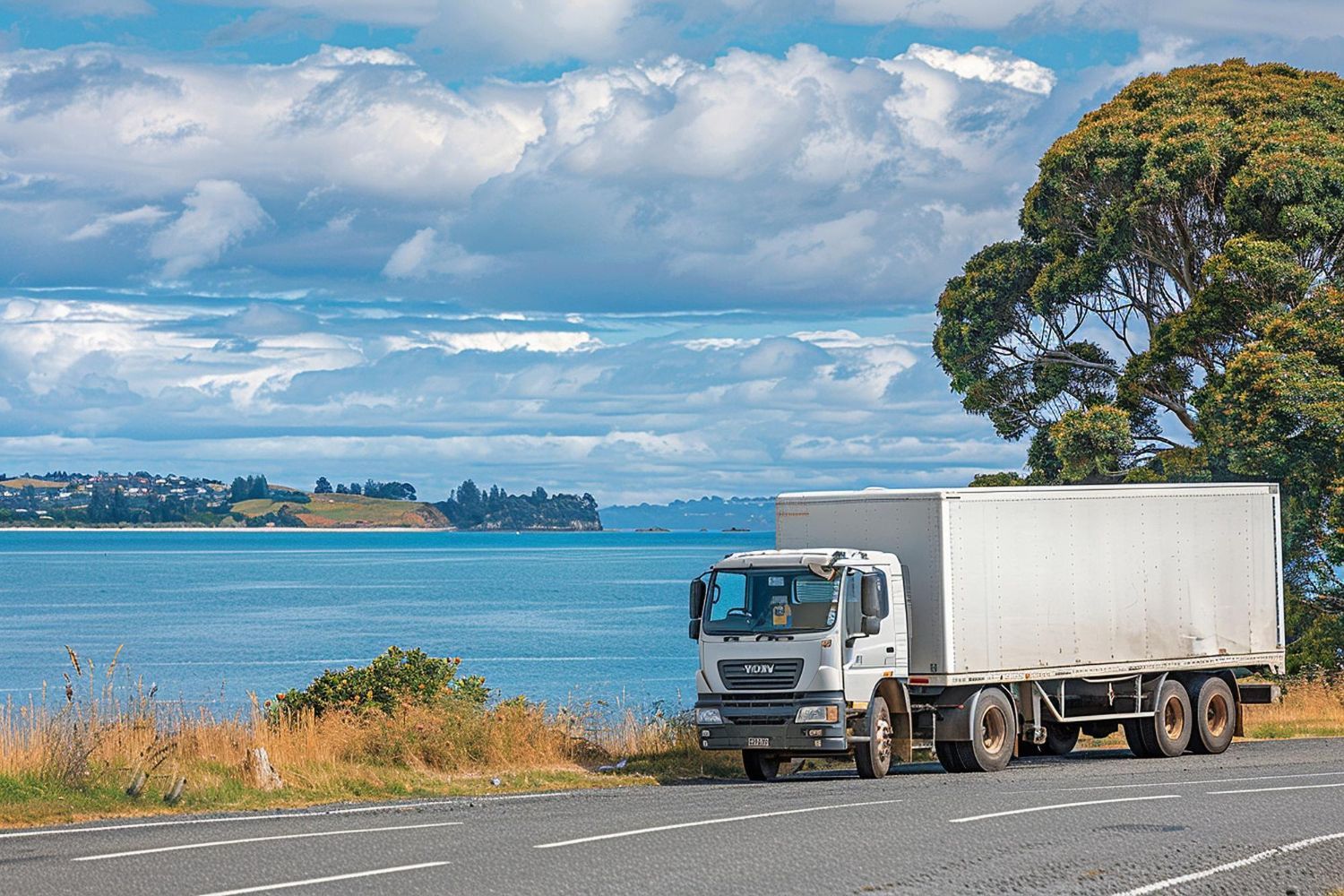
Standard moving trucks offer zero defense against the outside weather. A climate-controlled trailer utilizes an active heating and cooling unit connected to heavy insulation in the trailer walls. This system monitors the internal environment continuously, injecting warm air or humidity as needed to keep the cargo hold perfectly stable. This consistent environment totally neutralizes the threat of freezing mountain passes or arid desert routes.
Working with high-value pieces requires a deep understanding of these environmental threats.
► Client Experience: "Spectacular service. Efficient, professional, thorough and worked clean. Can’t recommend them enough for crating high value pieces"
Securing sensitive investments requires an exact blend of physical protection and environmental awareness.
Insulation Techniques Inside Custom Crates
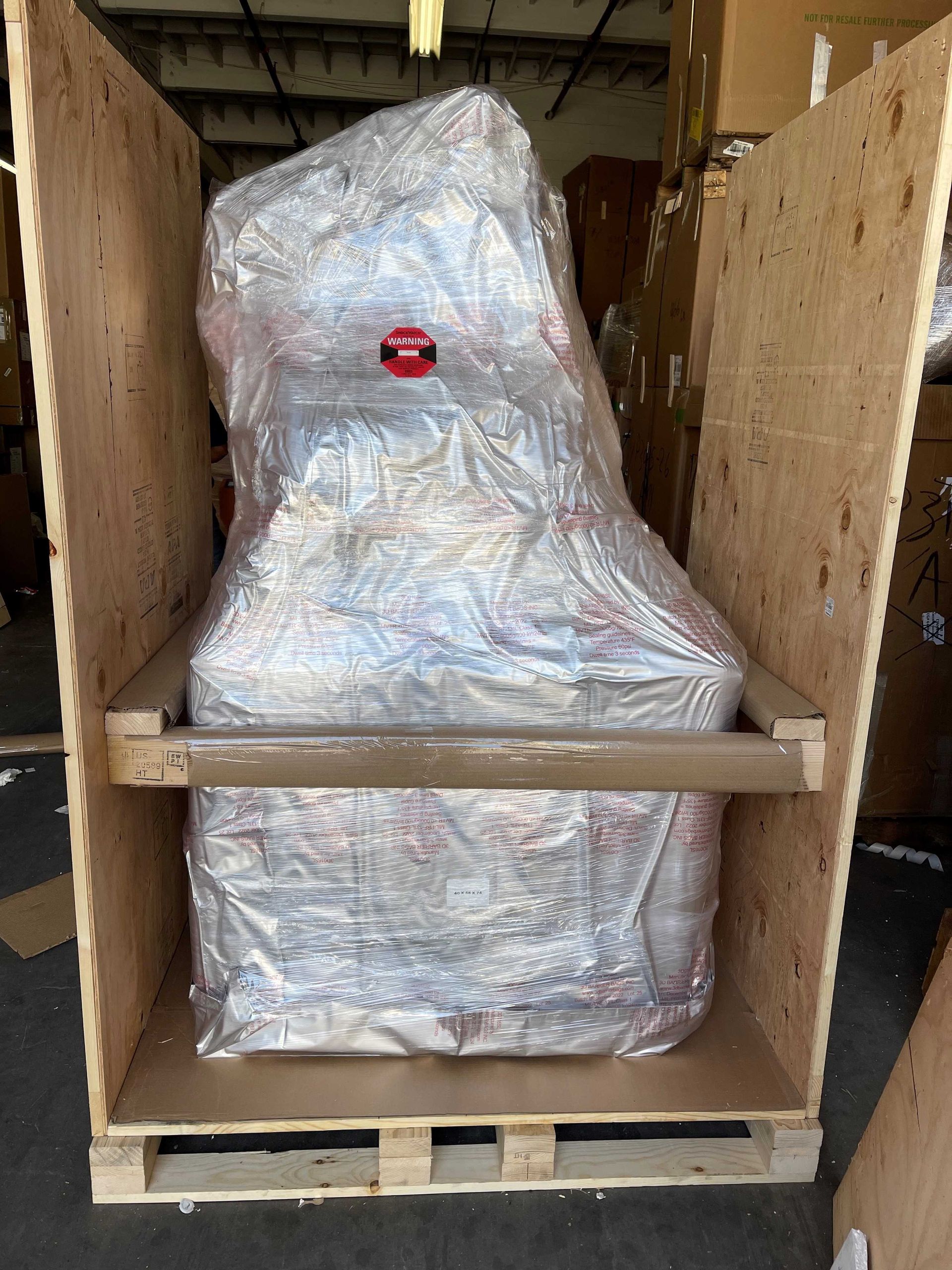
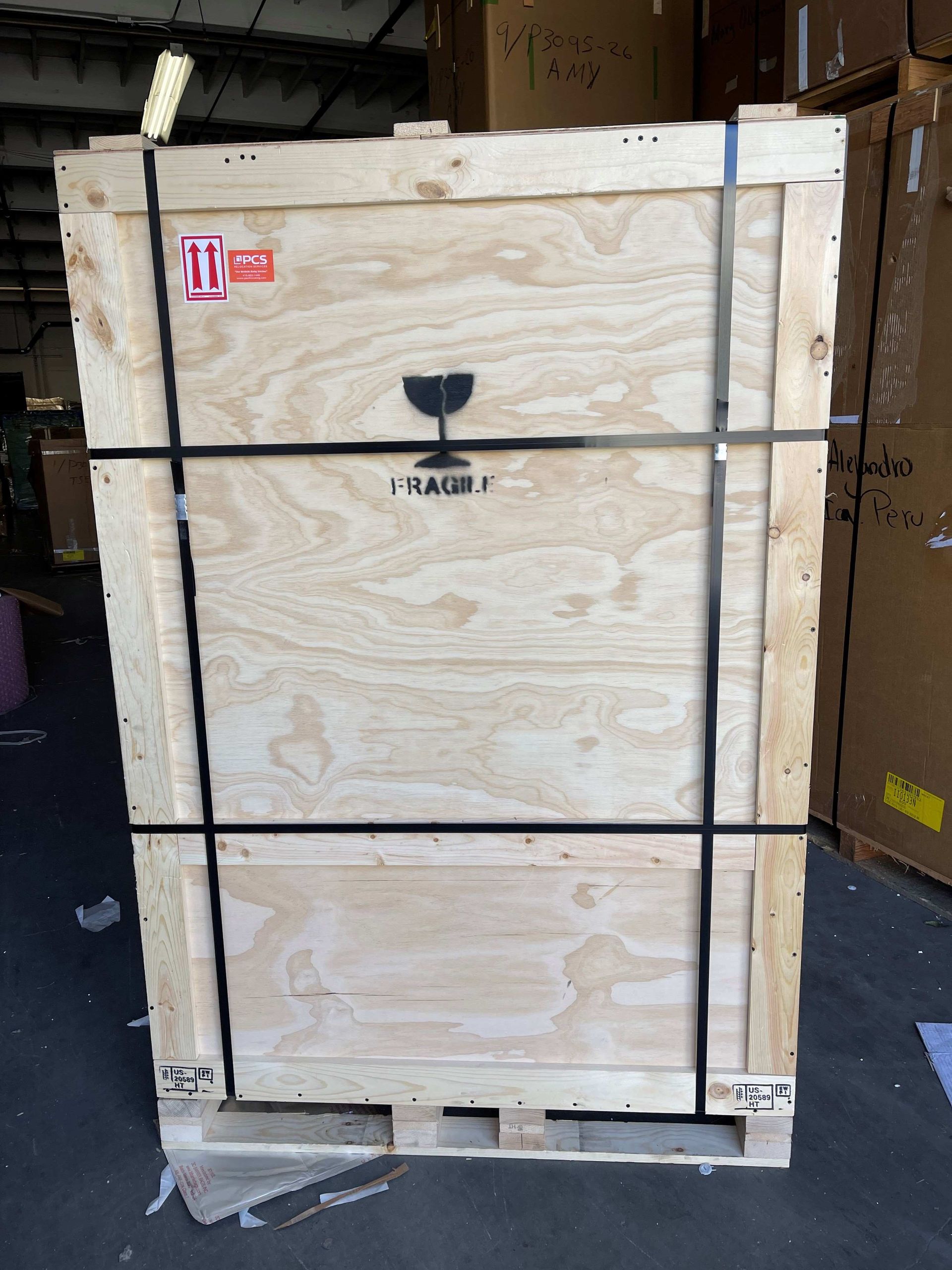
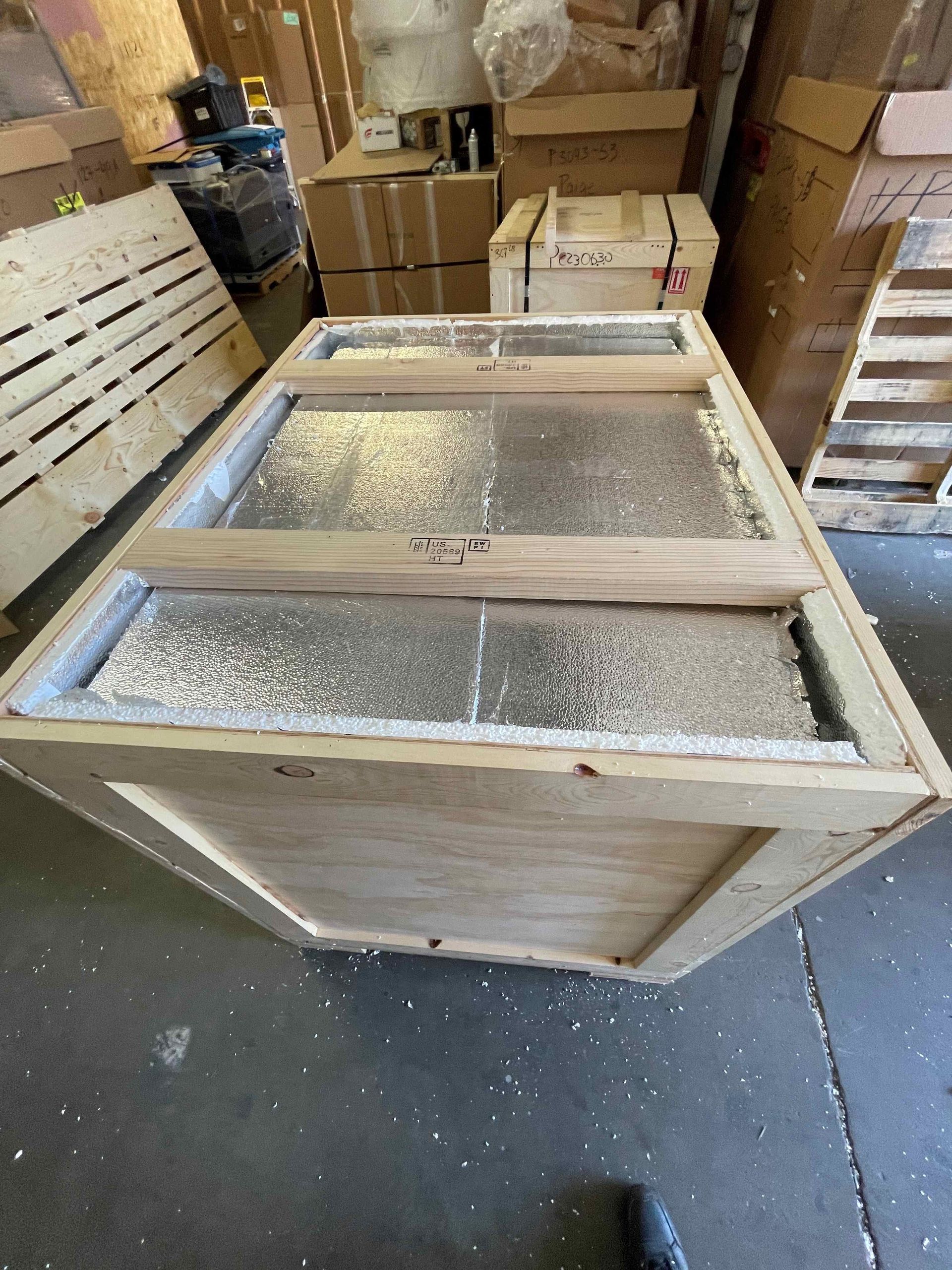
Climate-controlled trucks handle the bulk of the environmental work, but the crate itself provides a crucial secondary layer of defense. Our custom crating service lines the interior of art boxes with specialized foam that acts as a thermal barrier. This insulation slows down any temperature transfer, ensuring that even if the crate sits on a cold loading dock for a few minutes, the artwork inside remains thermally protected.
Frequently Asked Questions
How long should I wait before unpacking cold artwork?
Always allow the crated artwork to sit in the new room for twenty-four hours before opening the box. This gives the piece time to slowly acclimatize to the indoor temperature and prevents sudden condensation on the paint.
Does sculpture need temperature control?
Yes, materials like wood and certain metals react aggressively to temperature swings. Wooden sculptures will crack or split along the grain if they dry out too quickly in a cold, uninsulated truck.
Protecting Your Artistic Investments
Shipping delicate art during the winter requires specialized equipment to combat the laws of physics. Controlling the temperature and humidity of the transport vehicle preserves the physical integrity of the piece. Reach out to our logistics team to plan a safe route for your valuable artwork today.
Share This Blog