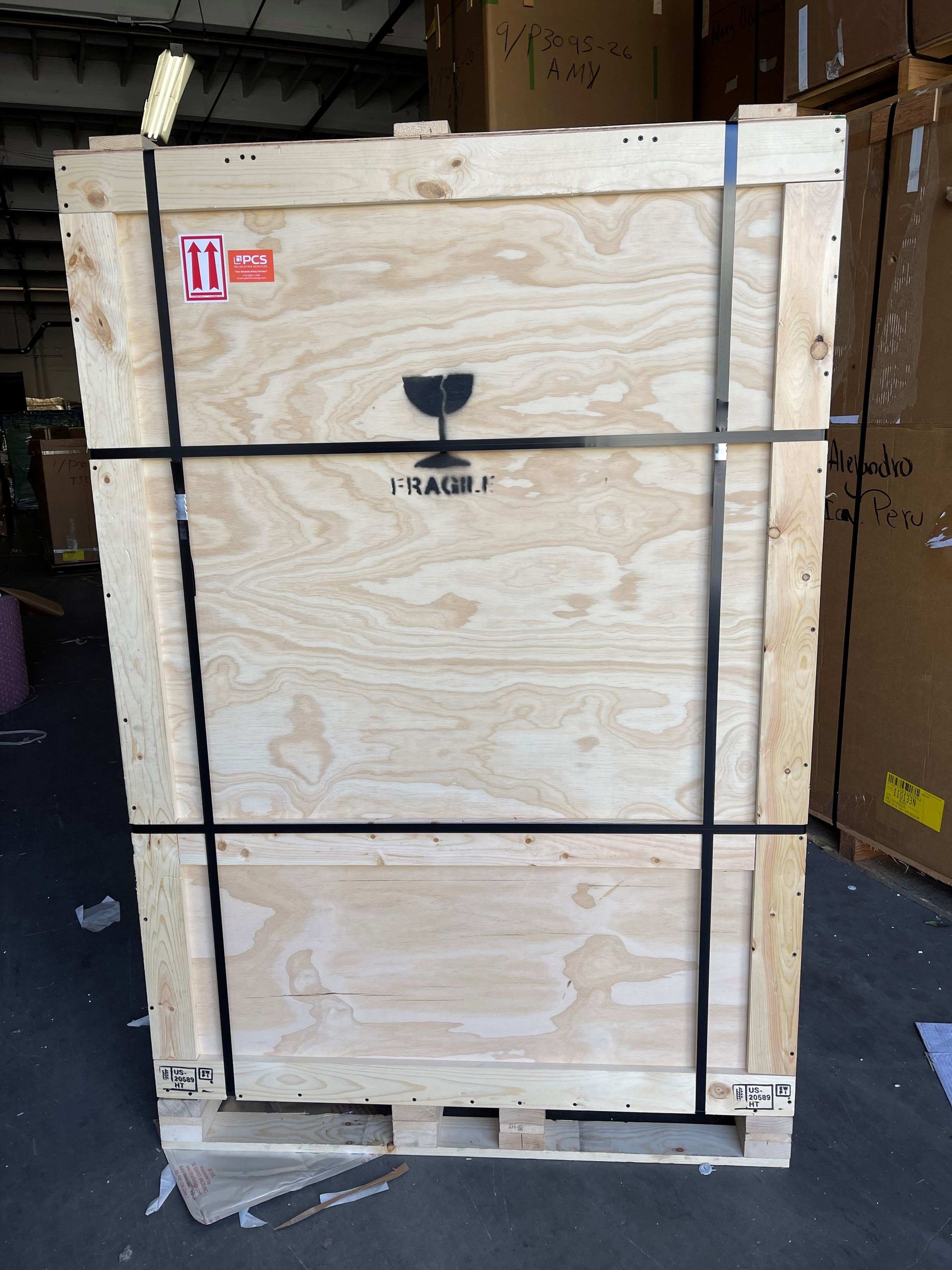
Cold‑Weather Crating: Foam‑In‑Place vs. Shock‑Mount Designs
Pacific Crating and Shipping LLC • December 3, 2025
When cold weather arrives, it brings a unique set of challenges for shipping fragile, valuable, or sensitive items. Temperature extremes, condensation, and increased risk of impact during transit all demand a higher standard of protection—especially if you’re moving goods across or out of California, or sending shipments nationwide or internationally. At Pacific Crating and Shipping, we understand these challenges better than anyone and offer a range of custom crating solutions. In this post, we’ll explore two of the most effective cold‑weather crating methods: foam‑in‑place and shock‑mount crate designs. We’ll break down their pros and cons to help you make an informed choice for your next move or shipment.
Understanding Cold‑Weather Crating Challenges
Winter shipping isn’t just about keeping things warm. Freezing temperatures can cause materials to contract and become brittle. Sudden impacts have greater potential to damage items, especially if they’re already affected by the cold. Additionally, changes in temperature and humidity during transit can lead to condensation inside shipping containers or crates, increasing the risk of moisture damage.
For businesses and individuals shipping high‑value equipment, fine art, electronics, or machinery, the method of crating can mean the difference between a safe arrival and costly losses. That’s why selecting the right cold‑weather crating method—tailored to your specific items and route conditions—is crucial.
Foam‑In‑Place Crating: Total Item Encapsulation
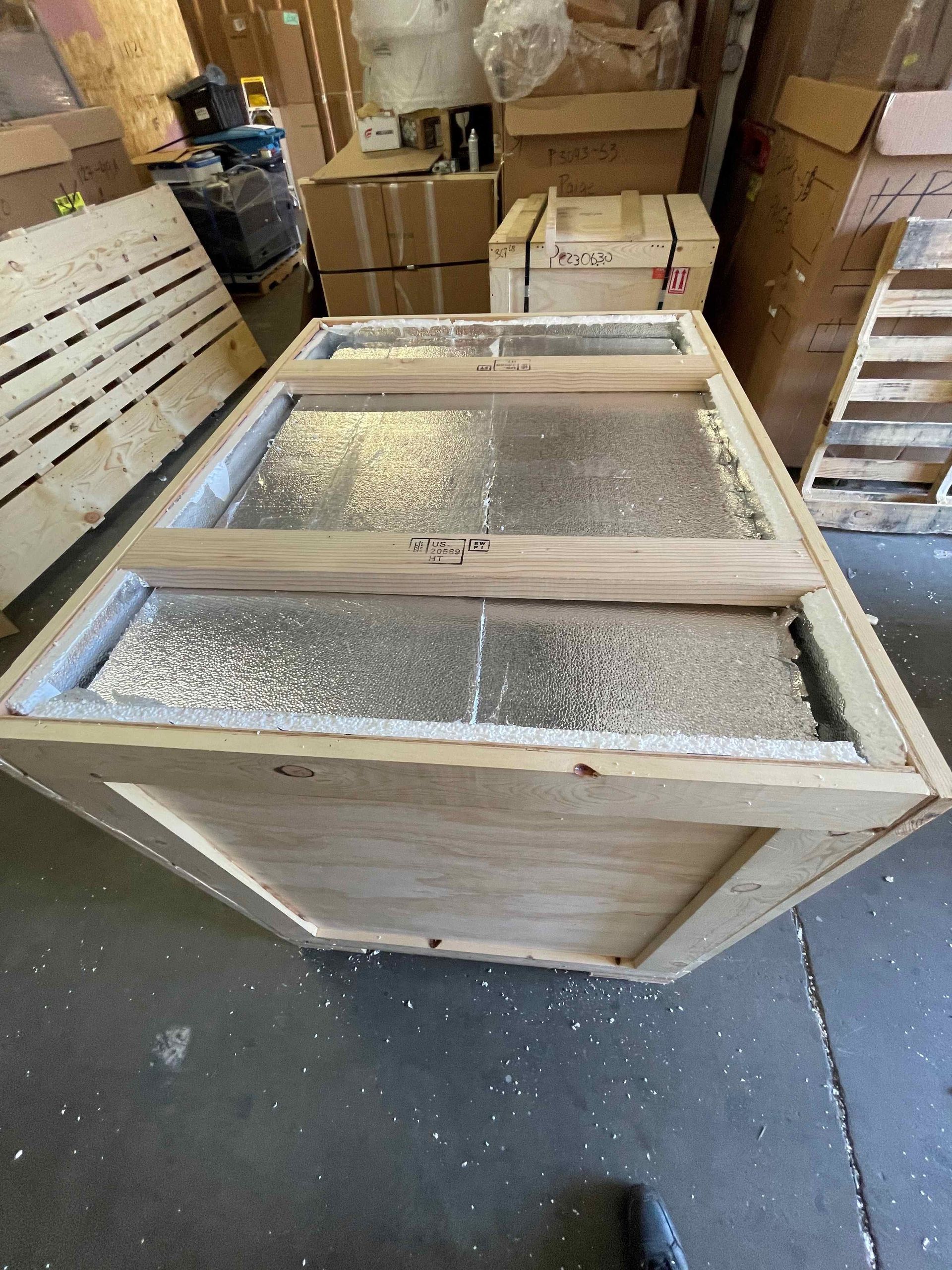
Foam‑in‑place crating is a popular method for protecting goods during harsh weather. This technique involves injecting a liquid foam around the item inside the crate or box. As the foam expands and cures, it conforms perfectly to the shape of the item, creating a customized, cushioned barrier.
Benefits of Foam‑In‑Place for Cold‑Weather Shipping:
- Superior Cushioning: The foam absorbs shocks and vibrations, reducing impact damage from road bumps, drops, or handling mishaps.
- Moisture Resistance: Foam‑in‑place acts as an added barrier against moisture, protecting sensitive surfaces from condensation and minor spills.
- Custom Fit: Every crate is unique, so foam‑in‑place is ideal for irregular or delicate items like fine art, sculptures, or intricate electronics.
- Thermal Insulation: The foam provides some thermal buffering, slowing down rapid temperature changes that could harm sensitive goods.
However, foam‑in‑place crating is less ideal for very large, heavy items, or for objects that require regular inspection or adjustment during transit. It’s also a single‑use system: once the crate is unpacked, the foam mold typically can’t be reused.
Shock‑Mount Crating: Advanced Protection for Heavy and Sensitive Equipment
Shock‑mount crating takes protection a step further. In this design, the crate’s interior base is suspended on special shock‑absorbing mounts—usually made from rubber, spring, or elastomeric materials. This “floating” platform isolates the item from external shocks and vibrations, making it especially useful for shipping precision instruments, industrial machinery, sensitive electronics, or equipment with moving parts.
Benefits of Shock‑Mount Crating for Cold‑Weather Moves:
- Unmatched Vibration Isolation: The mounts absorb both large impacts and continuous vibrations, protecting sensitive mechanisms from jarring.
- Reusable Design: Many shock‑mount crates are designed for multiple uses, making them a smart investment for recurring shipments or business applications.
- Heavy‑Duty Application: These designs are ideal for large, heavy, or high‑value items where damage prevention is essential, regardless of route or weather.
- Adaptable for Inspection: Items can often be accessed or inspected without dismantling the crate, which is valuable for long‑distance or international moves.
The main drawback is cost and size: shock‑mount crating is more expensive and typically used for high‑value or mission-critical shipments. It may also be less effective than foam for preventing moisture ingress unless combined with additional barriers.
Which Cold‑Weather Crating Solution Is Right for You?
The best choice depends on your item’s value, fragility, size, and destination. Foam‑in‑place is perfect for one-time moves involving delicate, custom-shaped objects or art. Shock‑mount designs are the gold standard for heavy, sensitive, or high-value equipment—ideal for moves that cannot risk even minor impact or vibration.
Pacific Crating and Shipping: Your Partner for Cold‑Weather Moves
At Pacific Crating and Shipping, we take pride in identifying the best solution for every customer. Our experts evaluate your shipment, destination, and climate risks to design a crating system that delivers peace of mind in any weather. Whether you’re relocating household goods, priceless artwork, or critical machinery, trust us to safeguard your valuable possessions through all of California and beyond.
Ready to protect your next move from cold-weather damage? Request a free, personalized quote from Pacific Crating and Shipping today. Tap into four decades of expertise and experience the stress-free, secure shipping you deserve.
Share This Blog